
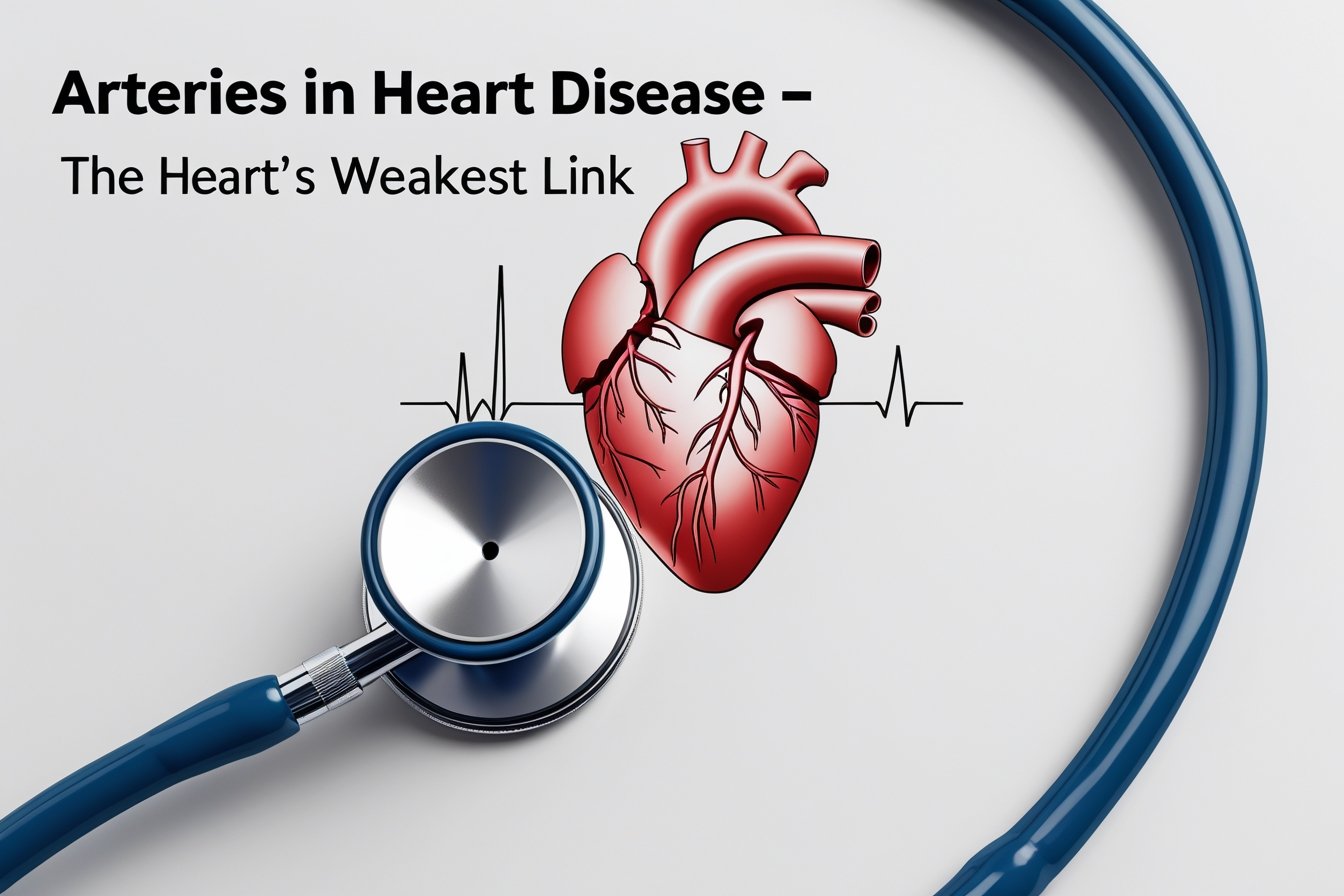
Your heart is a powerful muscle that keeps life flowing. But it can’t do its job well if its blood supply is blocked or damaged. That’s why healthy arteries are key to a strong heart and a longer life. Around the world, millions face heart problems linked to artery issues. Understanding these blood vessels helps us catch problems early, choose the right treatment, and make better lifestyle choices.
The Anatomy and Function of Heart Arteries:
The Coronary Arteries: The Heart’s Blood Supply:
The heart has special arteries that deliver oxygen-rich blood directly to its muscles. These are called coronary arteries. The main ones are:
- Left Anterior Descending (LAD): Supplies the front and bottom of the heart.
- Right Coronary Artery (RCA): Feeds the right side and bottom of the heart.
- Left Circumflex (LCX): Nourishes the side and back of the heart.
Without these arteries, the heart can’t get enough oxygen. When they become narrow or blocked, heart problems start.
How Arteries Work: From Heartbeat to Circulation:
Imagine your arteries as highways. Blood travels from your heart through these busy roads to reach every part of your body. When arteries are healthy, blood flows smoothly. If they get clogged with plaque, a fatty substance, traffic slows or stops, risking damage to the heart. A well-functioning system is vital for your heart to pump blood efficiently and keep you alive.
Common Variations and Anomalies:
Most people have standard coronary arteries, but some are born with variations. Some have extra openings or arteries positioned differently. These quirks usually don’t cause problems but can sometimes lead to complications during procedures or increase the risk of blockages.
The Pathophysiology of Artery-Related Heart Disease:
Atherosclerosis: The Main Culprit:
The main cause of clogged arteries is a condition called atherosclerosis. It happens when fatty deposits, or plaques, build up inside your arteries. This process is often made worse by inflammation. Over time, these plaques can harden and narrow the arteries, squeezing blood flow.
Plaque Formation and Progression:
Plaque formation doesn’t happen overnight. First, fatty streaks appear. Then, fibrous caps develop over these fats, forming a plaque. Eventually, plaques can rupture, causing blood clots.
Key factors that speed this process include:
- High cholesterol levels
- Chronic inflammation
- Smoking
- Diabetes
- High blood pressure
From Plaque to Blockage: The Path to Heart Attack:
When a plaque ruptures, it causes a clot to form. This clot can block the artery suddenly. If the blockage is big enough, part of the heart muscle loses oxygen and begins to die. This is a heart attack.
Think of it like a blocked pipe. The water (blood) can’t reach its destination, and the pipe (artery) gets damaged over time.
Risk Factors and Prevention of Artery-Related Heart Disease:
Modifiable Risk Factors:
Many things that harm arteries can be changed. These include:
- Poor diet, high in saturated fats and sugar
- Lack of physical activity
- Smoking cigarettes
- Obesity
- High cholesterol
- High blood pressure
Adopting healthier habits can lower your chances of developing clogged arteries. Simple steps like eating better and exercising regularly make a big difference.
Non-Modifiable Risk Factors:
Some risks are out of your hands. Age is a big factor, especially after 45 for men and 55 for women. Family history also plays a role. If relatives have had heart disease, your risk might be higher. Early screening helps catch problems before they get worse.
Prevention Strategies:
Preventive measures include:
- Eating more fruits, vegetables, and whole grains
- Exercising most days of the week
- Quitting smoking
- Managing stress
- Regular health check-ups
If needed, doctors may prescribe medicines like statins or blood pressure pills to protect your arteries.
Diagnostic Techniques for Arterial Heart Disease:
Non-Invasive Imaging Methods:
Techniques like echocardiography, CT scans, and MRI help view your arteries without surgery. These methods detect early signs of plaque buildup or blockages.
Invasive Procedures:
Sometimes, a more direct look is needed. Coronary angiography involves threading a thin tube into your arteries to take pictures. This test shows exactly where blockages are and helps plan treatment.
Role of Biomarkers and Stress Tests:
Blood tests check cholesterol and markers of inflammation. Stress tests, either walking on a treadmill or using drugs, reveal how your heart responds when under stress, helping identify areas with reduced blood flow.
Treatment Options and Advances:
Medical Management:
Managing cholesterol and blood pressure is the first line of defense. Doctors often recommend drugs such as statins, antiplatelet medicines, and antihypertensives to keep arteries clear.
Surgical Interventions:
When medicines aren’t enough, procedures like angioplasty and stenting can open blocked arteries. In some cases, surgeons perform bypass surgery to reroute blood around clogged areas, restoring blood flow.
Emerging Technologies:
New devices, like drug-eluting stents, slowly release medicines to prevent re-narrowing. Bioresorbable scaffolds are temporary stents that dissolve over time. Advanced minimally invasive options continue to improve patient outcomes.
The Importance of Lifestyle Changes and Regular Screening:
Practical Tips for Maintaining Arterial Health:
- Choose foods low in saturated fat and high in fiber
- Exercise at least 150 minutes a week
- Quit smoking and limit alcohol intake
- Keep a healthy weight
- Manage stress through relaxation techniques
Screening Recommendations:
Routine checkups, blood tests, and heart imaging are crucial, especially if you’re at higher risk. Early detection allows for quick action before serious damage occurs.
Recognizing Symptoms and When to Seek Help:
Warning signs include chest pain, shortness of breath, or unexplained fatigue. If these appear, don’t wait, seek medical help immediately to prevent heart damage.
Conclusion:
Healthy arteries are the backbone of a healthy heart. When they clog or weaken, the risk of heart disease skyrockets. Knowing your risk factors and taking steps to protect your blood vessels can save your life. A healthy lifestyle, regular screenings, and timely treatment are your best tools in keeping arteries strong. Remember, your heart’s weakest link can often be its arteries, but with awareness and care, you can keep them in top shape.
FAQs:
1. What are coronary arteries, and why are they important?
Coronary arteries supply oxygen-rich blood to the heart muscle; without them, the heart can’t function properly.
2. What causes arteries to become blocked?
Blockages are mainly caused by atherosclerosis, where fatty plaques build up and reduce blood flow.
3. What are the warning signs of artery-related heart problems?
Common symptoms include chest pain, shortness of breath, and unusual fatigue, especially during physical activity.
4. Can artery-related heart disease be prevented?
Yes, by managing your diet, exercising, quitting smoking, and controlling blood pressure and cholesterol.
5. How is arterial heart disease diagnosed?
It’s diagnosed using tests like CT scans, angiography, stress tests, and blood work for cholesterol and inflammation.
6. What are the treatment options for blocked arteries?
Treatments include medications, lifestyle changes, angioplasty, stents, and bypass surgery in severe cases.